 View Code
Vision
Problem: Whether you’re a first-time runner or elite marathon athlete, pacing runs remains one of the most difficult aspects of endurance running.
Our Solution: RhythmRun - a Flutter app that syncs your running pace with song BPMs using Spotify’s API, making consistent pacing intuitive and engaging.
Personal Motivation: I love music and wanted to help solve my friends’ problems with running. Why settle for random playlists when technology could actively help maintain a runner’s right pace?
Technical Architecture
Core Features
- Spotify integration for music playback and BPM analysis
- Cross-platform mobile app targeting iOS and Android
Aspirant Features
- Real-time GPS tracking for pace monitoring
- Pace synchronization algorithm matching running cadence to song tempo
My Technical Responsibilities
- iOS development and configuation for Xcode specific configurations (e.g. entitlements)
- Backend architecture for user authentication and data persistence
- Spotify API integration for music control and analysis
Tech Stack
Frontend: Flutter/Dart
Music Integration: Spotify SDK + Web API
Backend: User authentication and data storage through Supabase
Platform Focus: iOS (with Android support)
Development Environment: JDK v17, NDK ≥ v27
Technical Wins
Spotify Integration Success
The Spotify integration was actually easier than expected! The existing Dart packages were relatively well-documented and worked reliably:
// Connecting the Spotify's SDK
  Future<void> connectToSpotifySDK() async {
    try {
      loading = true;
      var result = await SpotifySdk.connectToSpotifyRemote(
        clientId: clientID,
        redirectUrl: redirectURI,
      );
      loading = false;
    } on PlatformException catch (e) {
      loading = false;
    } on MissingPluginException {
      loading = false;
    }
  }
Plus, the example that the package provides works nicely:
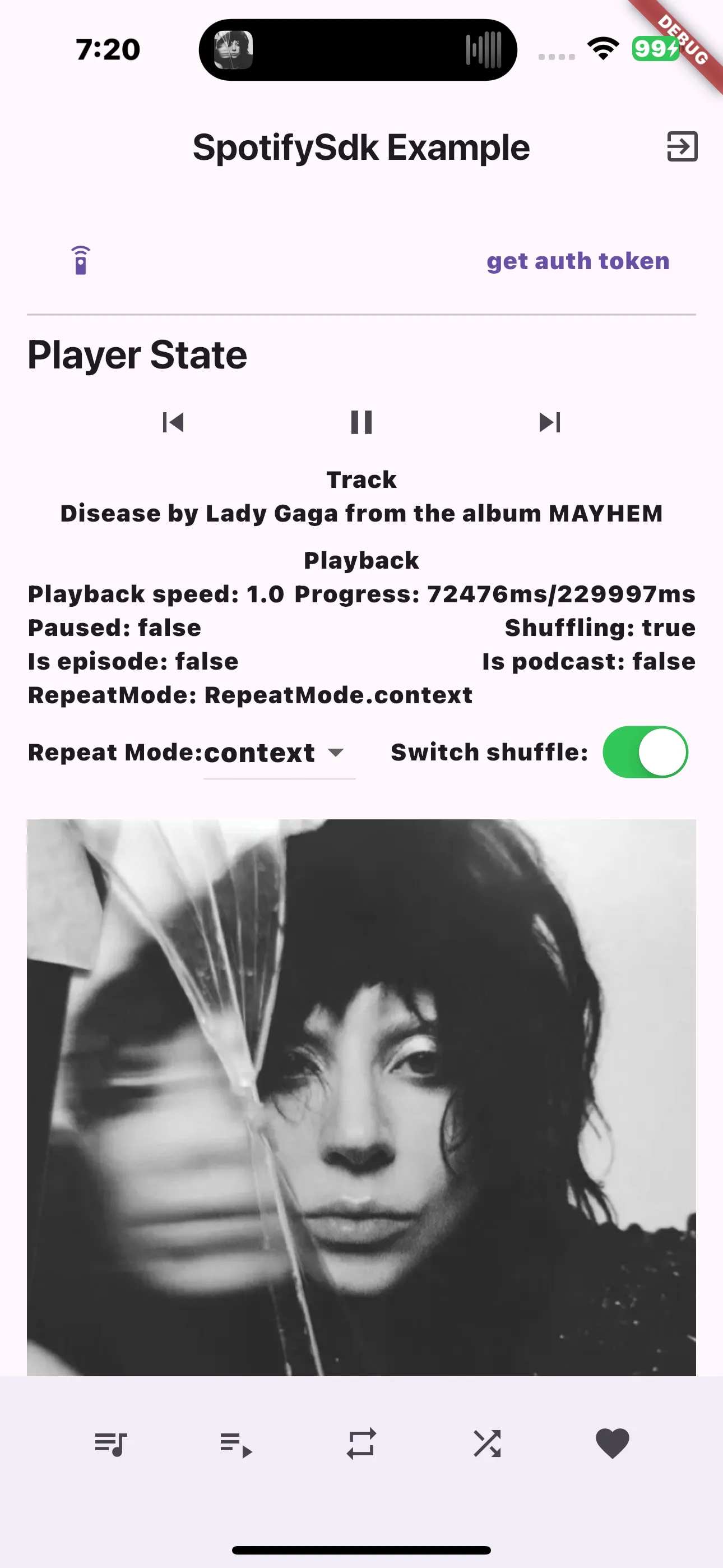
Following the official API documentation was mostly smooth, except for Android.
iOS Development Discovery
After getting an Apple Developer Account, I was amazed by the quality and quantity of Apple’s development resources. The documentation is comprehensive, and the customization possibilities are incredible.
Key iOS insights:
- Apple’s developer ecosystem is genuinely impressive and intimidating once you’re inside it
- Apple’s Entitlement system and other integrations were really good and interesting.
- Platform-specific configurations make a real difference in user experience
After combing through Apple’s developer resources, it made me inspired to start coding in Swift!
Cross-Platform Challenges
Learning how Flutter bridges native iOS/Android code with a unified codebase was fascinating. The framework handles most platform differences, but understanding the underlying native implementations was crucial for optimization. Especially towards the beginning, with a lot of panicked commits on making sure it works successfully on Android without breaking it on the iOS side as well!
Reality of a Student Development Team
Stats
- 5 person team
- 3 actively contributing members
- 2 teammates who had a ton of external responsibilities to meaningfully participate
Leadership Under Pressure
One of our teammates struggled with severe anxiety, which required me to completely adapt my communication and project management style.
What I Learned About Leadership:
- Compassionate communication - Different people need different types of support and feedback
- Flexible expectations - Mental health challenges are real and need thoughtful accommodation
- Project adaptation - Sometimes you need to redistribute work to keep everyone contributing meaningfully
This not only taught me about technical skills in software development, but how team dynamics and emotional intelligence matter just as much as code quality.
Planning Trap
Timeline Reality
We spent about 63% of the semester planning the “perfect” app, then rushed development in the final months:
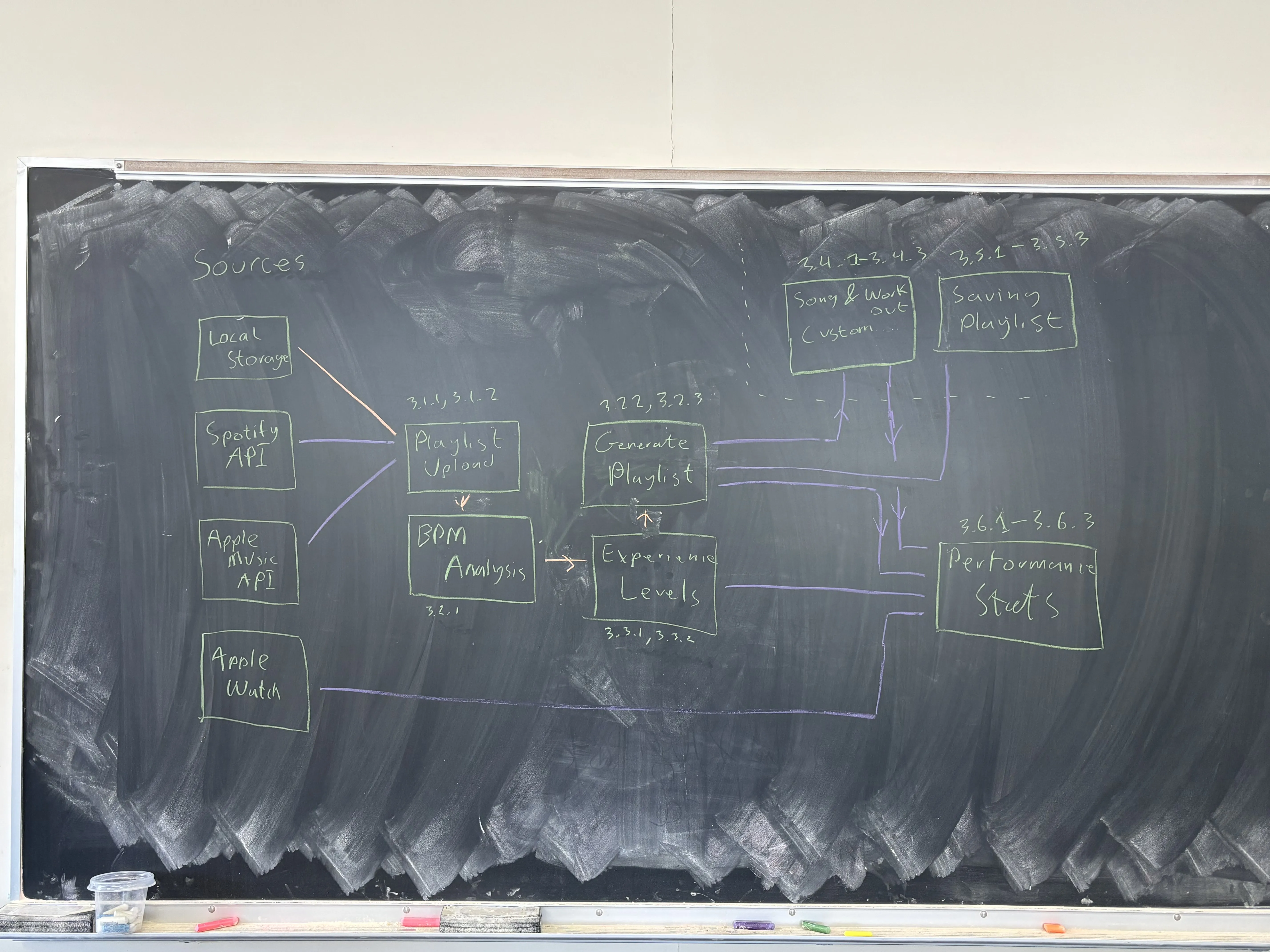
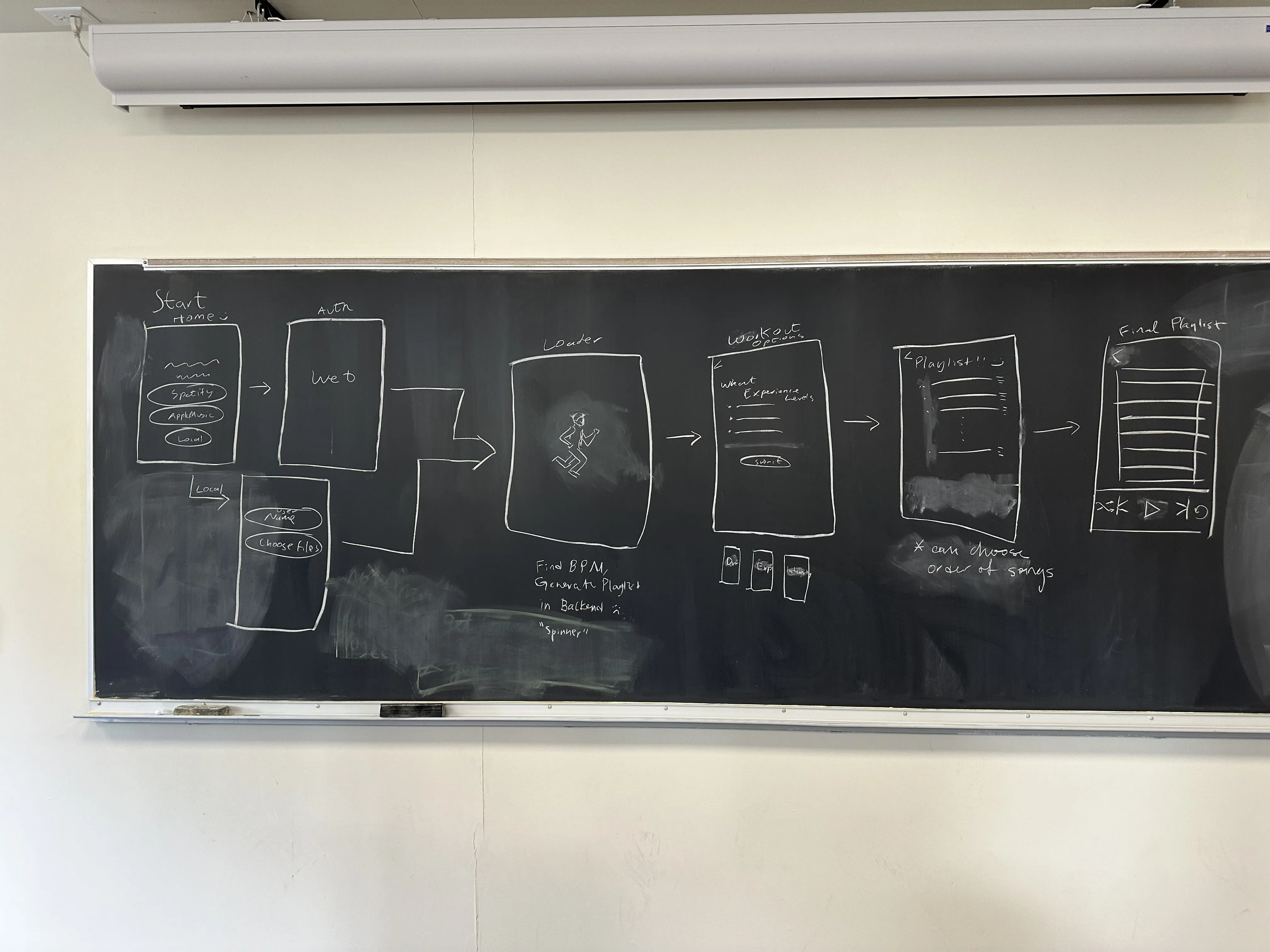
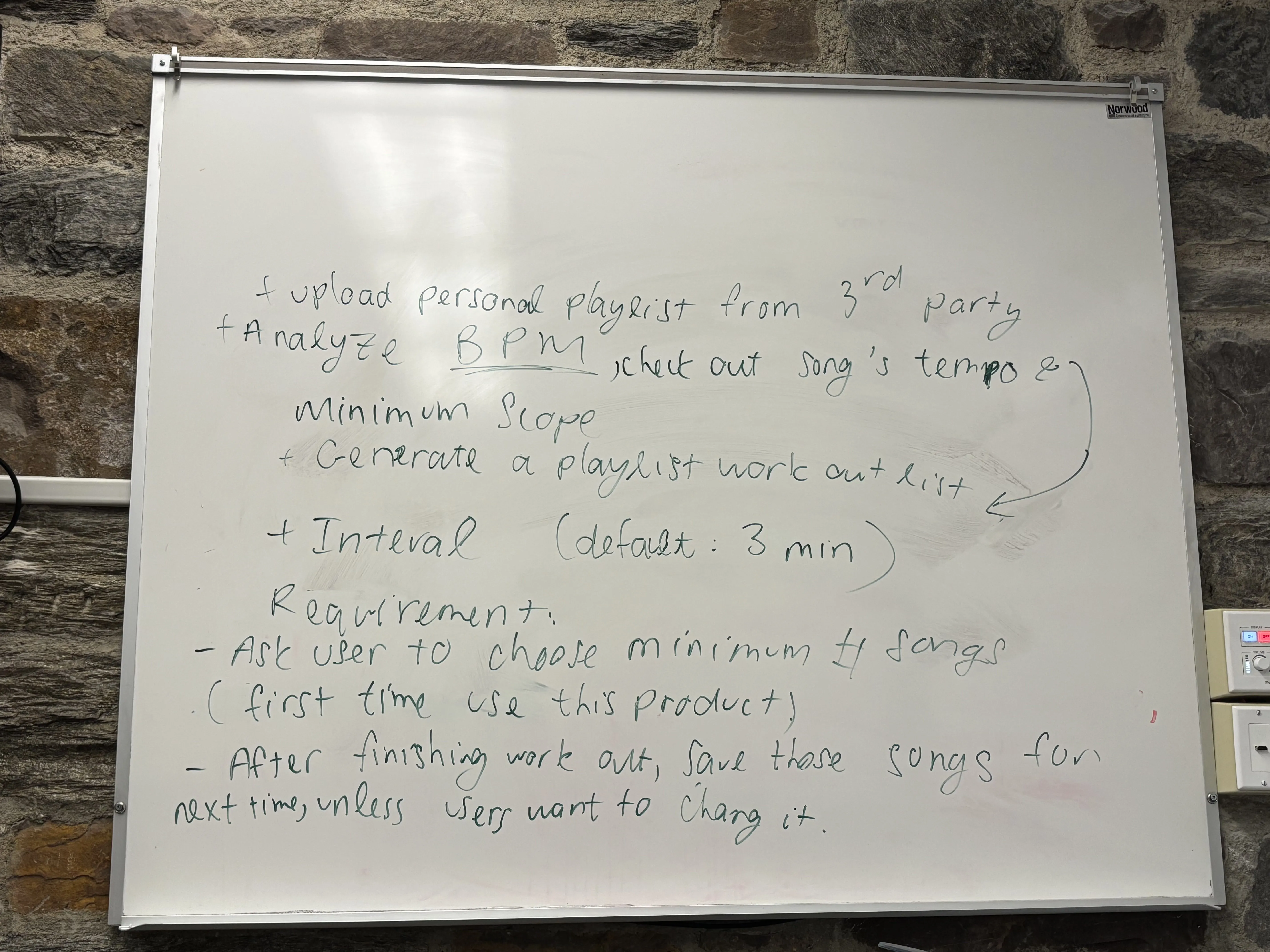
What Happened:
- Extensive user research and feature specification
- UI/UX mockups and user flow diagrams
- Architecture planning and technology evaluation
- Planning tests before coding based on all of the above
- But limited time for actual implementation…
The lesson: Perfect planning doesn’t necessarily guarantee smooth execution. Real software development always surfaces during unexpected challenges that you can’t fully plan for.
Better Approach:
- Start using the first part of the semester in educating the team on core technologies and workflows
- Guide the team to finish the Minimal Viable Product (MVP) first, iterate second
- Start coding sooner to discover unknown unknowns (like Music API integration with Apple Music)
- Plan in sprints, and don’t overload sprints with too much work
What’s Next?
Rebuild Plan
I’m planning to rebuild this solo (or with a friend) with key improvements:
Swift Integration for Apple Music: Flutter packages for Apple Music weren’t reliable since I could never change the PlayerState or PlayerQueue, as shown below:
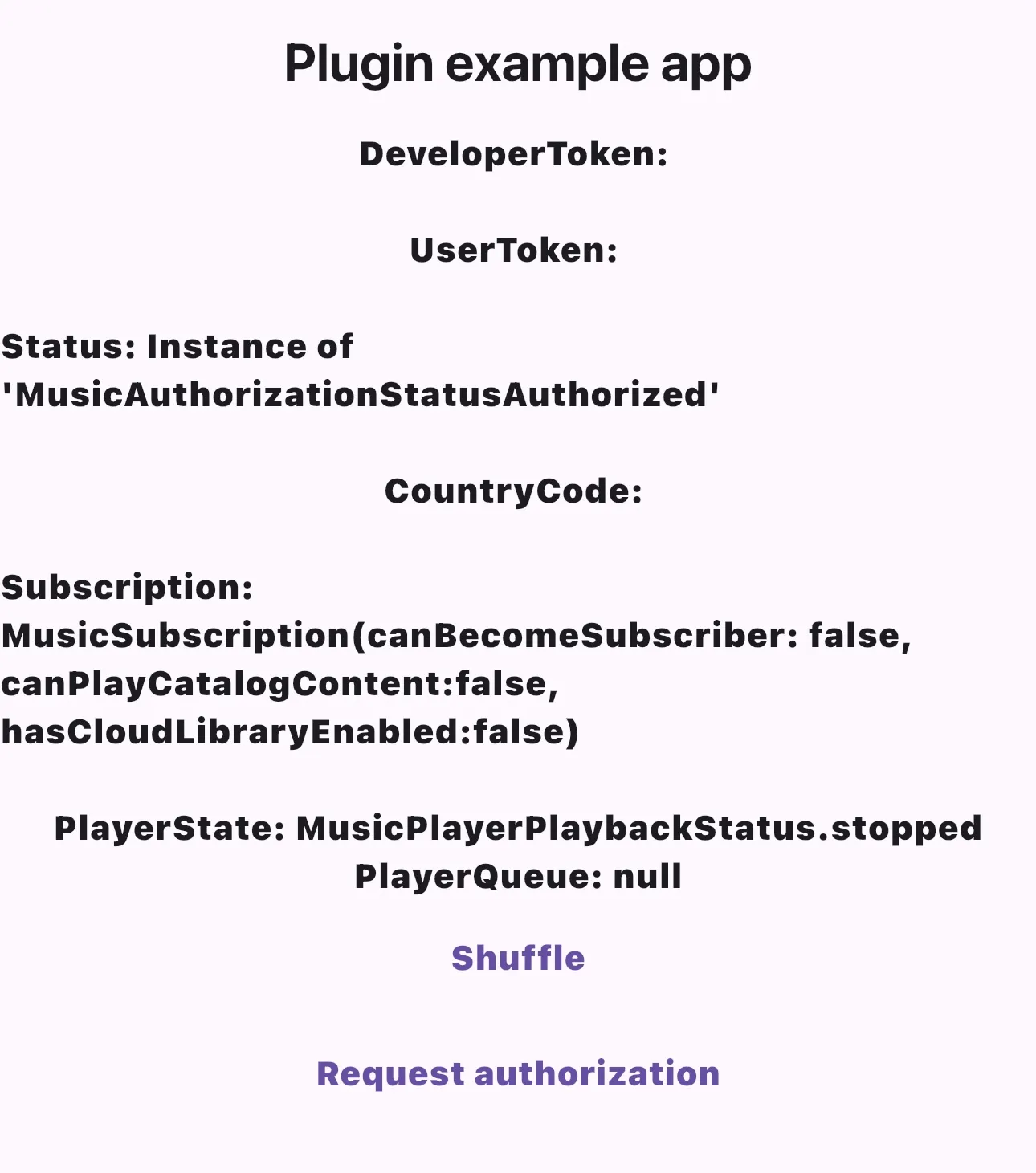 Now I have enough iOS experience to implement native Swift integration properly.
Better Architecture: Apply lessons learned about:
- Modular code organization
- API reliability testing
- User authentication flow optimization
Refined Scope: Focus on core functionality first, add advanced features incrementally.
Real-World Skills Gained
Technical Competencies
- Mobile development lifecycle from concept to deployment
- API integration and reliability patterns
- Cross-platform architecture considerations
- iOS-specific development insights
Professional Skills
- Team leadership under pressure
- Compassionate project management
- Timeline and scope management
- Stakeholder communication (team members, instructors, and runners)
Process Lessons
- MVP-first development approach
- Agile planning vs. waterfall planning
- Risk assessment and mitigation
- Technical debt management
Bigger Picture
This project taught me how software development is fundamentally collaborative. Even when the code works perfectly, projects can struggle due to team dynamics, communication challenges, or planning issues.
The technical skills I gained were valuable, but the people skills I developed are arguably more important for real-world software development.
RhythmRun represents my transition from solo coding projects to collaborative software development. Along with all the challenges and growth opportunities that come with working on a team! 👨🏻💻